
Sports and running
Sports Injury Rehabilitation in Brookvale
From a rolled ankle to an ACL reconstruction, sports injury rehabilitation in Brookvale combines hands on treatment, strength testing and a staged plan back to your sport, at whatever level you play.
- Brookvale4/42-46 Wattle Road, Brookvale NSW 2100
- Terrey Hills · Wednesdays17 Yulong Avenue, Terrey Hills NSW 2084
- No referral required
- One to one with a physiotherapist
- Assessment before any exercise plan
Understanding it
Sports injuries we see
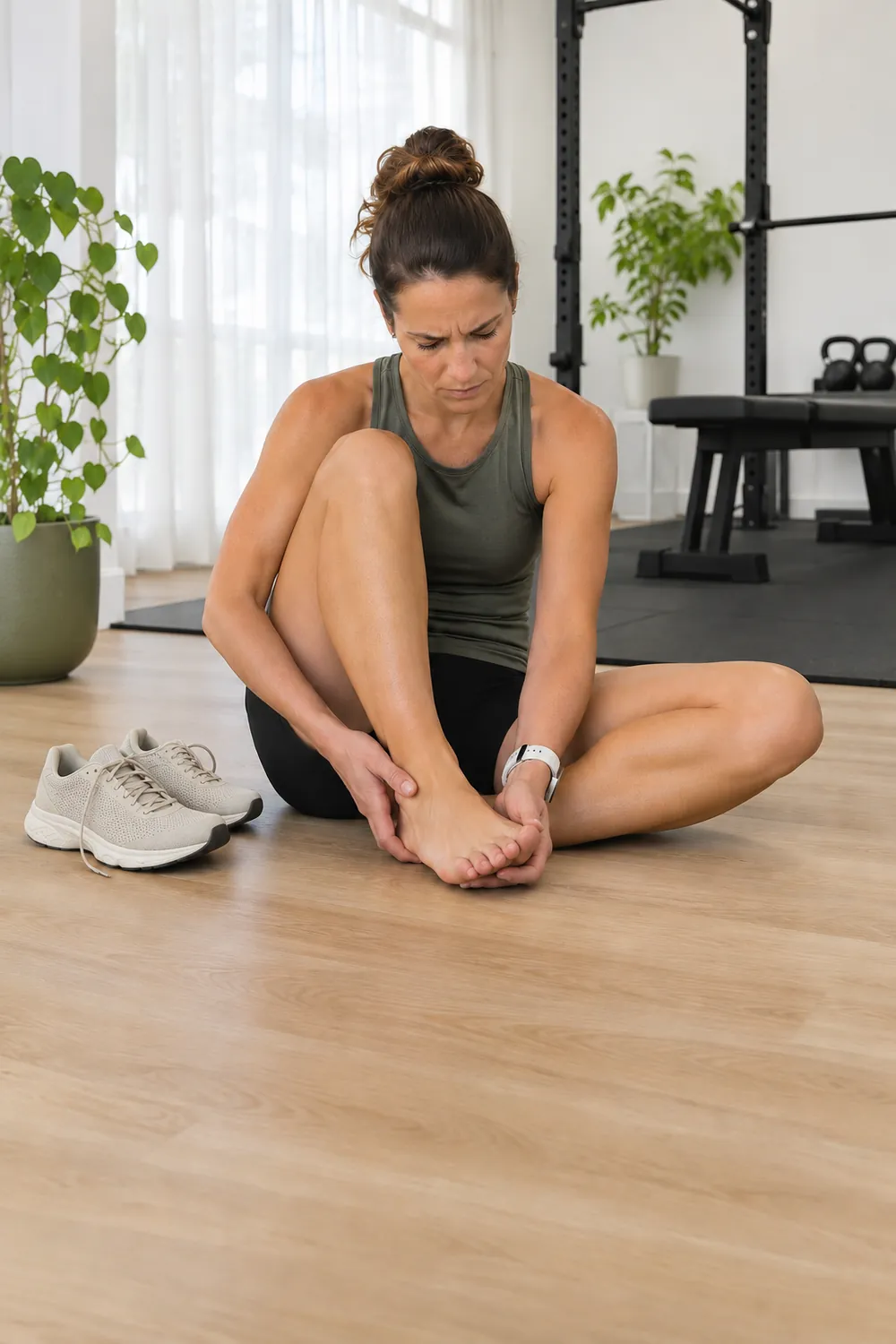
Sports injuries range from sudden injuries, such as sprains, muscle strains and ligament tears, to overuse conditions that develop gradually with training, including tendon pain and shin splints.
Whether you’re playing weekend netball, running the Northern Beaches trails or competing at a higher level, rehabilitation follows a progressive approach: managing pain, rebuilding strength and control, and gradually returning to the demands of your sport.
See our Sports Physiotherapy page for how we work with athletes and runners.
Common injuries
- Ankle sprains and ankle instability
- Hamstring, calf and groin strains
- ACL and knee ligament injuries, meniscus injuries
- Achilles, patellar and hip tendon pain
- Shoulder injuries from throwing, swimming or the gym
- Running injuries such as knee pain and ITB pain
Why it happens
What contributes to sports injuries?
Sudden change in training
Doing too much too soon, after a break or during a new program.
Strength and control gaps
Weakness or poor control at the hip, knee or ankle increases load elsewhere.
Previous injury
An old injury that was not fully rehabilitated is a common reason for re-injury.
Recovery and load
Poor sleep, limited recovery and back-to-back sessions reduce tissue capacity.
How physiotherapy can help
How we assess and treat sports injuries
- Diagnosis and assessmentWe work out what is injured and how severe it is, then measure strength, range and control compared with your other side.
- Early rehabTreatment to settle pain and swelling, protect healing tissue and keep you as active as possible.
- Return to sportProgressive strength, running and sport specific drills, with testing at each stage so you know when you are ready to return.
What to expect from sports injury rehab
Testing
Strength, hop and running tests give clear targets rather than guesswork.
Your sport
Rehab is built around your sport, season and goals.
Surgery
If a specialist opinion or scan is needed, we refer you through your GP and guide your rehab after.
Prevention
A plan to help manage the risk of the same injury happening again.
Care at Solevo
Services for sports injury rehab
Safety first
When to see a GP or get urgent care first with a sports injury
- You cannot put weight on the leg, or there is an obvious deformity
- Rapid swelling after a knee injury, or a knee that locks or gives way repeatedly
- A head knock with headache, confusion, vomiting or loss of consciousness
- Numbness, colour change or coldness in the hand or foot
- Severe pain that is not easing with rest
For a suspected fracture, dislocation or concussion, see a GP or go to an emergency department first. In an emergency call 000.

Meet your sports injury rehab in Brookvale
Emma Docker
Bachelor of Sport & Exercise Science | Master of Physiotherapy
Emma has a Bachelor of Sport and Exercise Science and a Master of Physiotherapy, and sees clients at Brookvale and Terrey Hills.
FAQs
Sports injury rehab FAQs
How soon should I see a physio after an injury?
As early as you can. Early advice on protecting the injury, managing swelling and staying active can make a real difference to how rehab goes.
Do I need a scan?
Not always. Many sports injuries can be diagnosed from a physical assessment. If a scan or specialist review is needed, we will tell you.
When can I return to sport?
When you have met clear strength and function targets for your sport, not simply when pain goes. We test this along the way.
Do you work with ACL reconstruction rehab?
Yes. We guide rehab from the early weeks after surgery through to return to sport, following your surgeon’s protocol.
What is sports injury rehab?
Sports injury rehabilitation, often called rehab, is physiotherapy for sprains, strains, tendon pain, ligament injuries and other sports injuries. It combines hands on treatment, strength testing and a staged return to sport.
What sports injuries do you treat?
Common examples are ankle sprains, hamstring, calf and groin strains, ACL and knee ligament injuries, meniscus injuries, tendon pain, shoulder injuries and running injuries such as knee pain and ITB pain.
How long does sports injury rehab take?
It depends on the injury, how severe it is and your sport, so there is no set timeframe. Your physiotherapist will explain the likely plan after your assessment and review it as you progress.
What should I do straight after a sports injury?
Protect the injury, avoid pushing through sharp pain and get it assessed as soon as you can. If you cannot put weight on the leg, or you have a suspected fracture, dislocation or head injury, see a GP or go to an emergency department first.
Do I need a referral?
No. You can book a private physio appointment directly. If a scan or specialist opinion is needed, we refer you through your GP.
How much does sports injury physio cost?
You’ll see the price for each appointment type when you book online.